News and Events


Admissions & Enrollment Information
Supporting Global Food Production and the Earth’s Environment
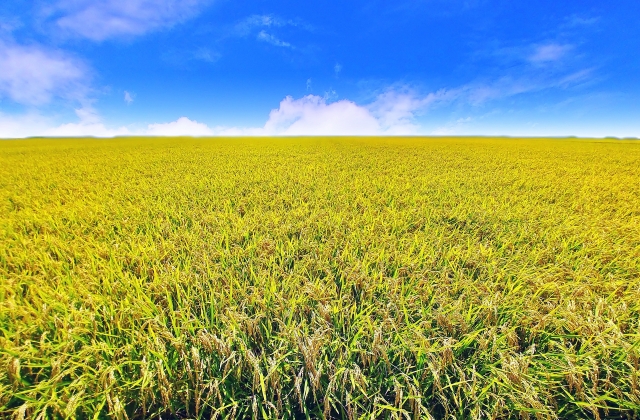
Japan’s food security is facing its most critical turning point since World War II right now.
With Japan’s food self-sufficiency rate falling below 40%, and in light of the global situation – rapid population growth, desertification, depletion of phosphorus resources and groundwater, and accelerating global warming – the world is facing an increasing risk of widespread hunger. Amid these circumstances, Japanese agriculture is beginning to undergo a major transformation, and an increasing number of companies are now recognizing agriculture as a “growth industry.” At the same time, the fundamental role of agriculture – the foundation of human happiness and survival – is once again being examined.
Agriculture is no longer responsible only for sustaining human society; it is now entering an era in which it bears profound responsibility for the vitality of life across the entire planet.
A new era is beginning.
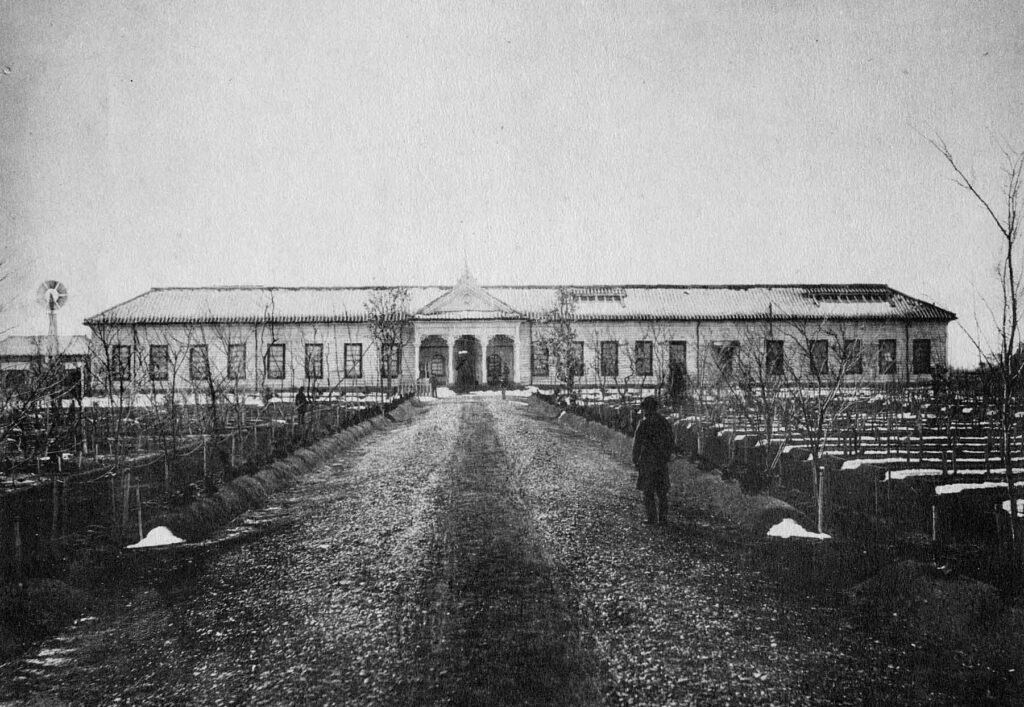
The Roots of the Program
The roots of this program trace back to the Komaba Agricultural School, which was established by the Meiji government in 1878.
The Komaba Agricultural School was incorporated into the Imperial University in 1890, and in 1910 it was reorganized into five departments: Agriculture, Agricultural Chemistry, Forestry, Veterinary Medicine, and Fisheries. Among these, the Department of Agriculture served as the core of agricultural research and education and, for more than a century, produced numerous leaders who supported Japanese agricultural technology and agricultural policy across industry, academia, and government.
As academic disciplines became increasingly specialized, the department was reorganized by 1964 into three departments: the Department of Agricultural Economics (now Agricultural and Resource Economics), the Department of Agricultural Engineering (now Biological and Environmental Engineering), and the Department of Agricultural Biology (now Applied Biological Sciences and Landscape Ecology and Planning).
Overview of the Program
This program has long formed the backbone of the School of Agriculture as a core discipline responsible for central areas of agriculture, including crop cultivation and breeding, control of crop diseases and pests, and ecological management of grasslands.
Many of our graduates have taken leading roles in agricultural policy development and agricultural technology research at the Ministry of Agriculture, Forestry and Fisheries and at local governments, while others have built successful careers in agriculture-related industries, including companies involved in agricultural inputs (such as seeds and agrochemicals), as well as in distribution and food-processing sectors.
A significant number of alumni are also engaged in research and education at universities and international research institutions. Furthermore, in recent years, an increasing number of graduates have been pursuing careers in think tanks and consulting firms.

Research Areas
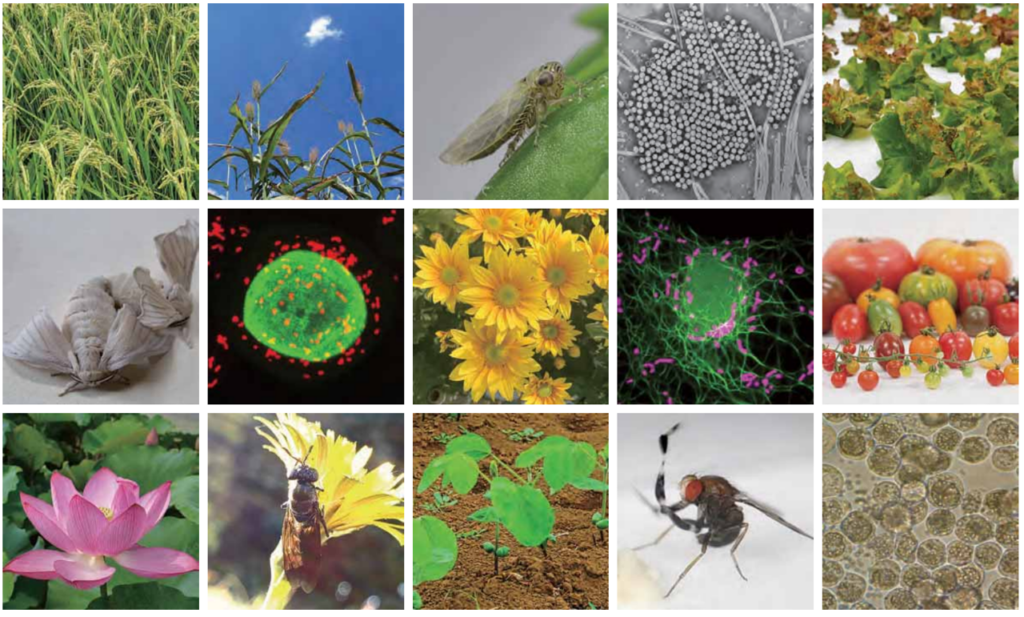
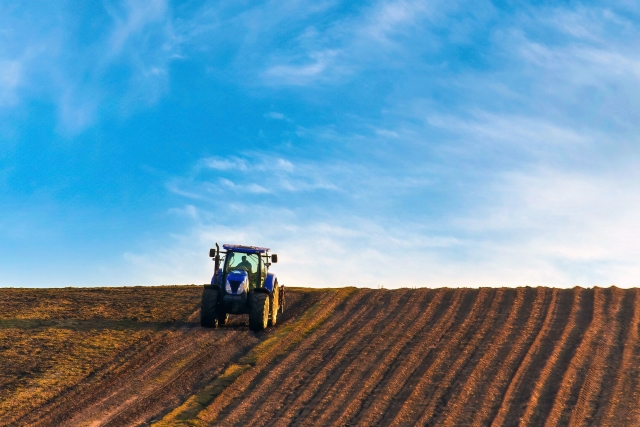
We aim to elucidate the mechanisms of living organisms and ecosystems and to create agricultural biological resources and production systems suited to the needs of a new era.

Curriculum
A key feature of the Agricultural Biology Program’s curriculum is its extensive opportunities for laboratory experiments and hands-on practical training. A well-balanced program of lectures and laboratory courses across a wide range of fields is complemented by year-round field-based practical training.

Alumni Career Outcomes
Many of our graduates from this program continue their studies in graduate school and begin their careers after completing a master’s degree. Their employment destinations are wide-ranging, including government agencies, information and communications technology companies, agriculture-related industries, and food-related companies.
We pursue research through a wide range of approaches to support global food production and environmental sustainability.
Laboratory of Crop Science
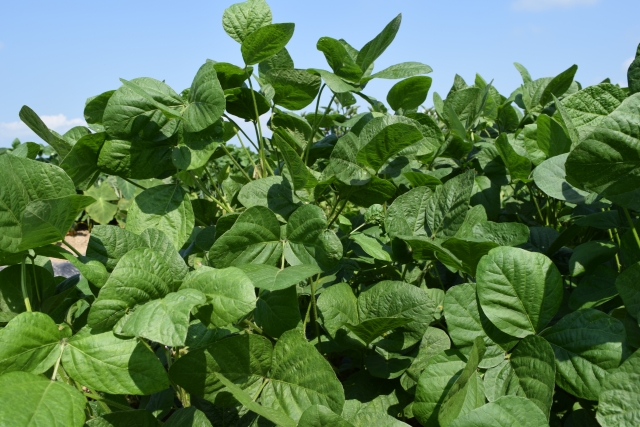
We aim to achieve stable and sustainable crop production by modifying the metabolism of photosynthetic assimilates.
Laboratory of Crop Ecology and Morphology
We seek to elucidate crop cultivation practices through quantitative trait loci (QTL) analysis.
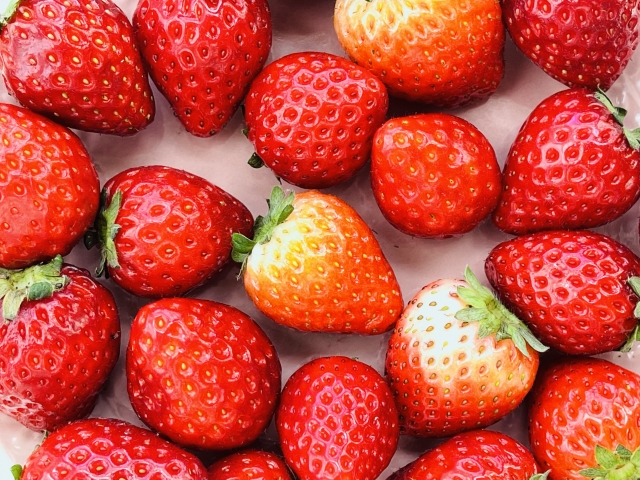
Laboratory of Horticultural Science
We seek to understand the complex diversity and environmental responses of horticultural crops.
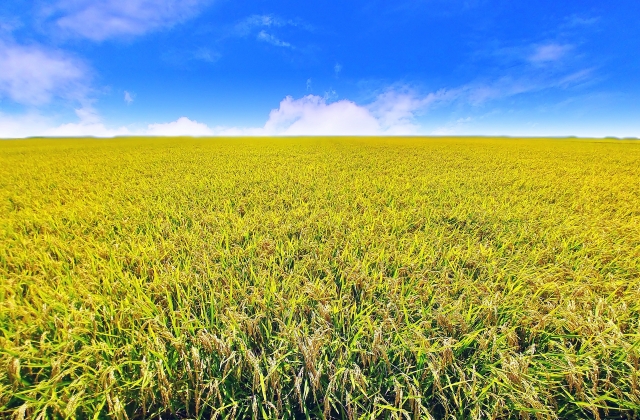
Laboratory of Plant Breeding and Genetics
Elucidating rice growth and developmental processes through genomic analysis.
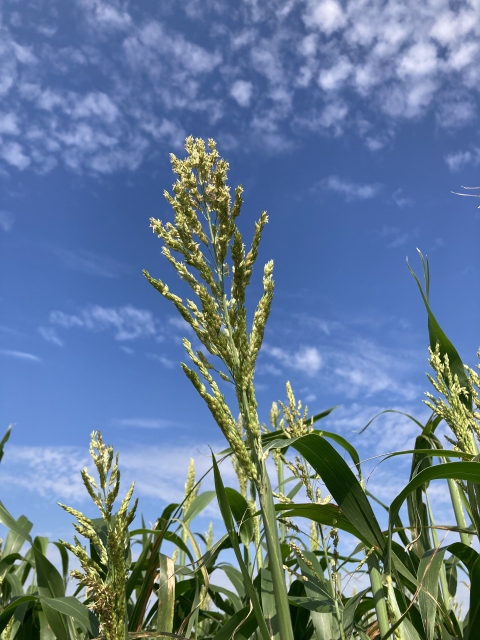
Laboratory of Plant Molecular Genetics
Contributing to the realization of the plants’ latent potential through the analysis and modification of the three plant genomes.
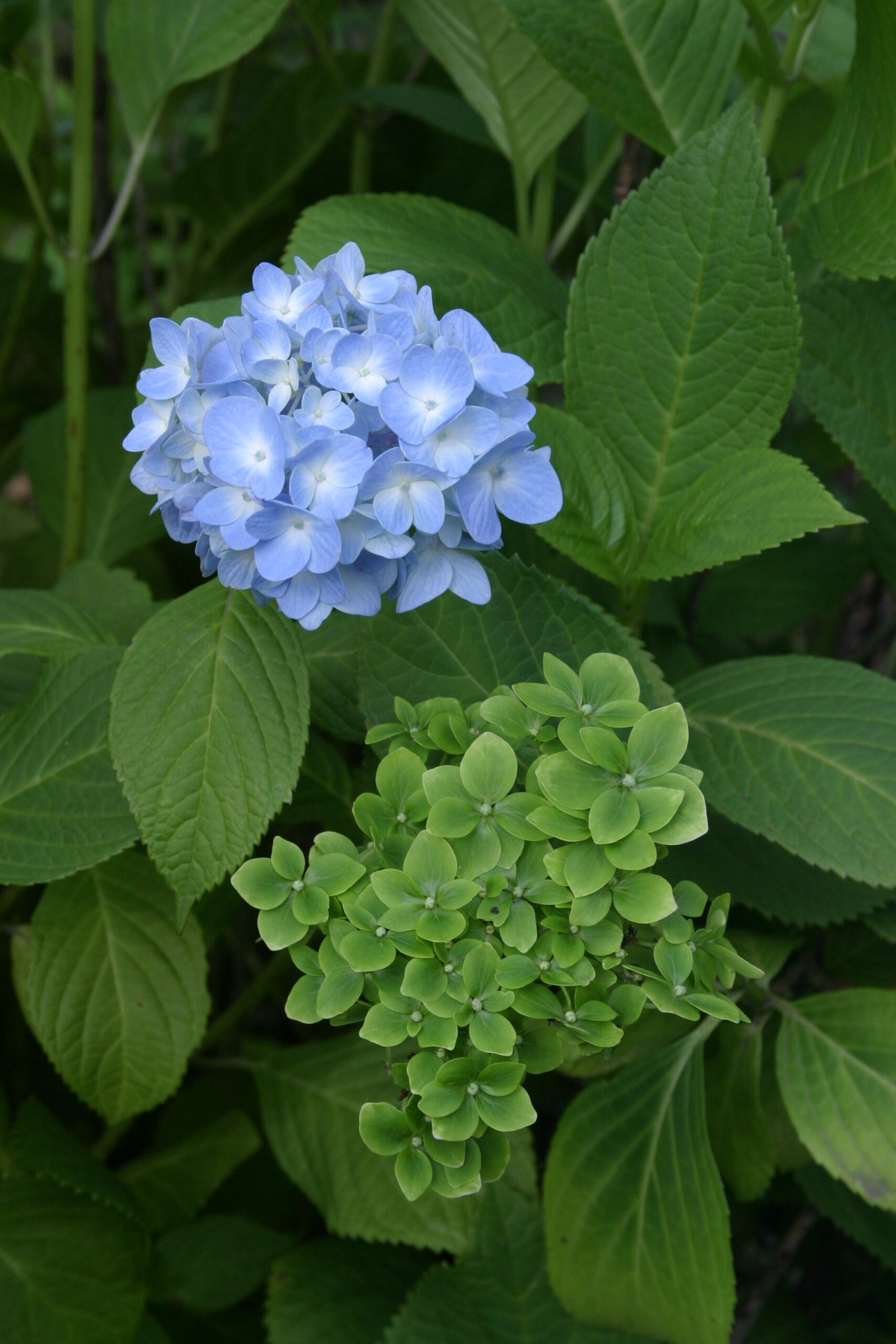
Laboratory of Plant Pathology
Elucidating the mechanisms of plant diseases and developing globally applicable resistance strategies
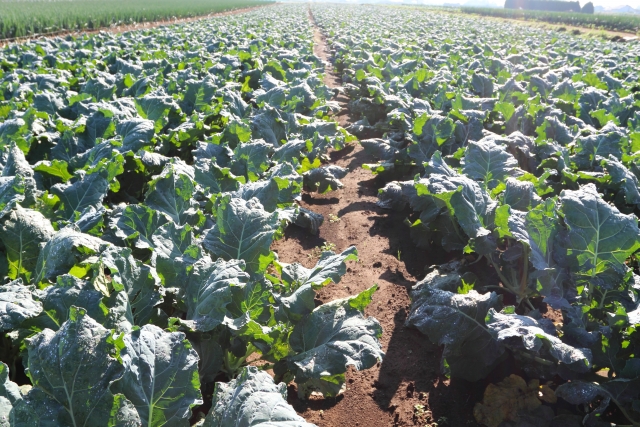
Laboratory of Biometry and Bioinformatics
Deriving optimal solutions for sustainable agriculture from a data science perspective.
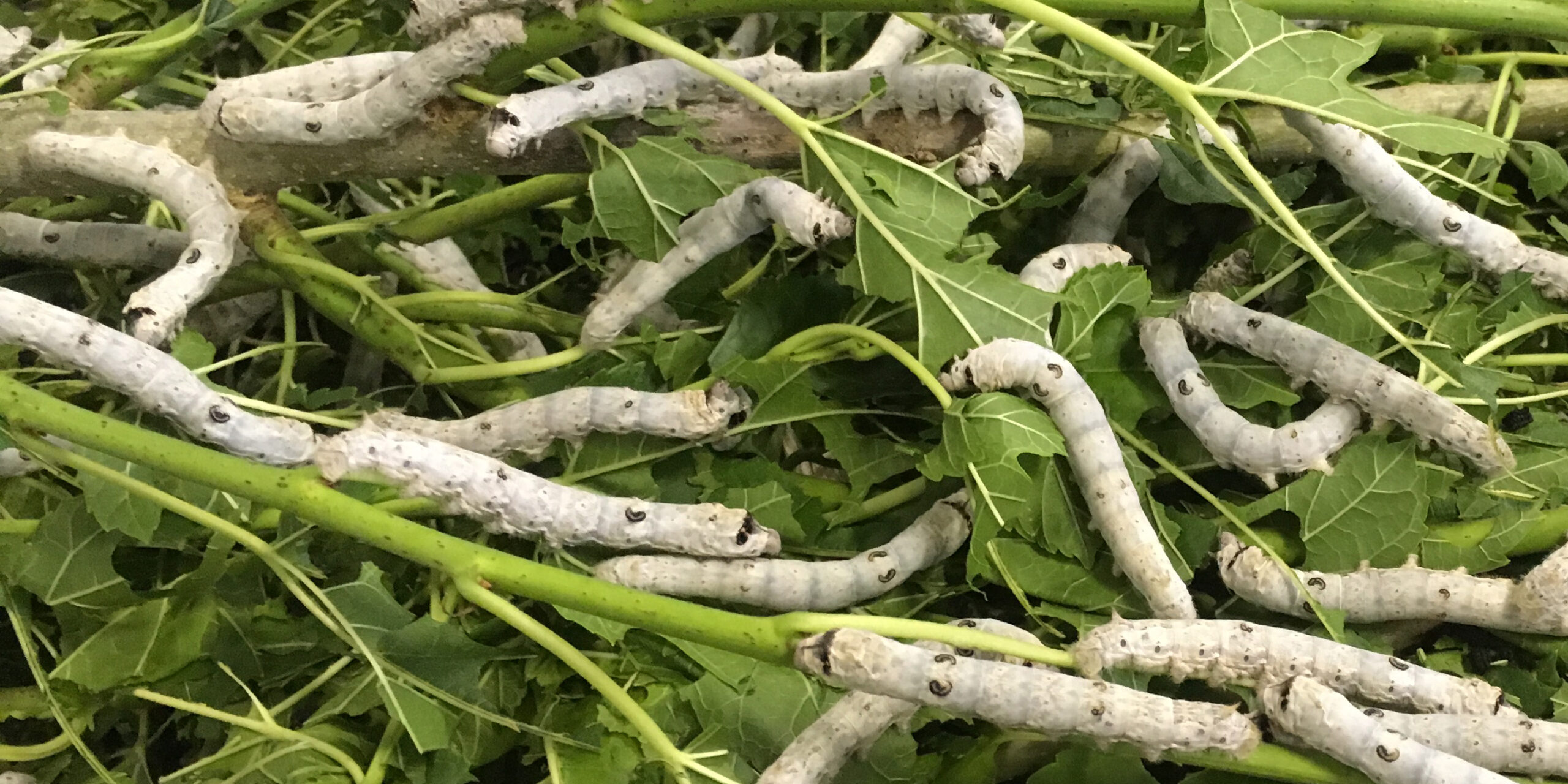
Laboratory of Insects and Bioscience
Discovering the mysteries of Lepidopteran insects at the genetic level!
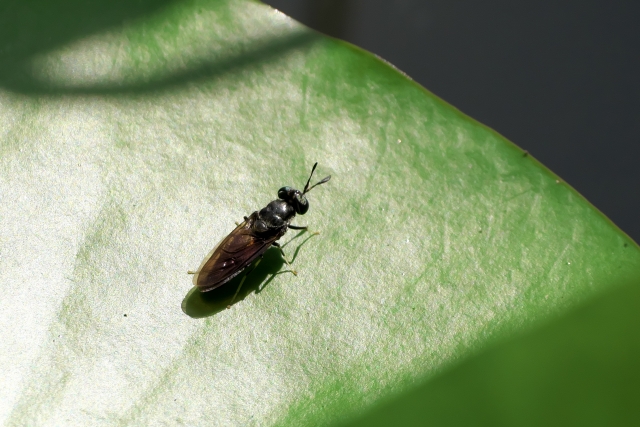
Laboratory of Applied Entomology
Exploring the mysteries of insects while developing innovative technologies to support a sustainable society.
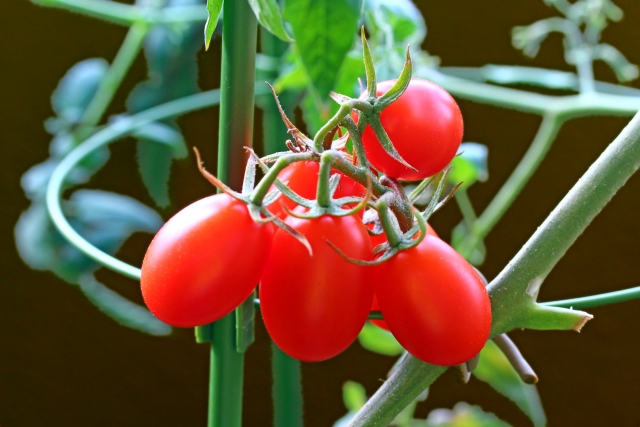
Agricultural Ecology Collaborative Course (Institute of Sustainable Agro-Ecosystem Services)
Pioneering Next-Generation Agriculture! Toward Sustainability of Food and Agriculture
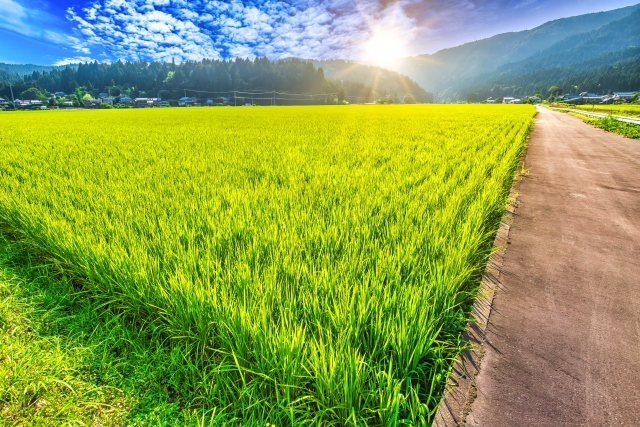
Asian Biological Resources Collaborative Course
Integrating Regional Resource Assessment and Genomics Toward Sustainable Crop Production
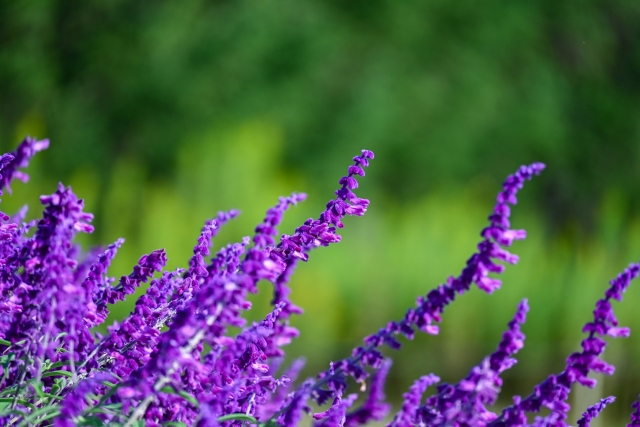
Clinical Plant Science Endowed Program
Engaging in Crop and Environmental Healthcare at Japan’s First “Plant Hospital”
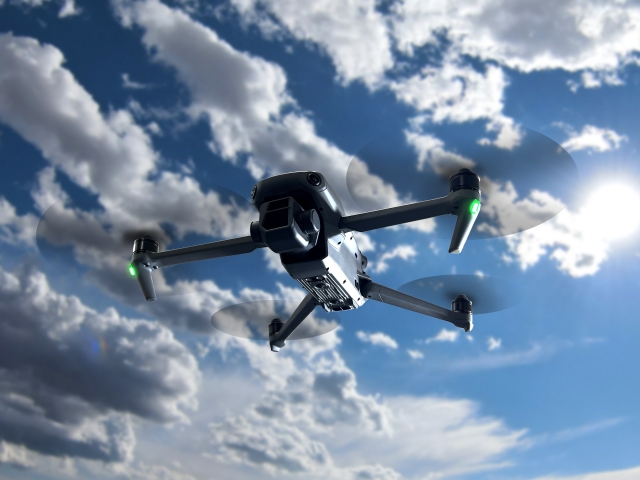
Field Phenomics Endowed Program
Embedding cutting-edge analytical technologies into agriculture through close collaboration with producers

Faculty Members

Contact Us
✉ Inquiries about Admissions (Please replace “<at>” with “@” when contacting us.)
Undergraduate Program (Major in Agricultural and Life Sciences):shingaku<at>ab.a.u-tokyo.ac.jp
Graduate Program (Department of Agricultural and Environmental Biology):aeb-chief<at>ab.a.u-tokyo.ac.jp
For all other inquiries:head<at>ab.a.u-tokyo.ac.jp
Privacy Policy
This website uses cookies as part of Google Analytics to collect anonymized data for the purpose of improving website quality and performance. For details about the data collected by Google Analytics and instructions on how to opt out of data collection, please refer to the following page:
“How Google uses information from sites or apps that use our services.” https://policies.google.com/technologies/partner-sites?hl=ja)